How to Encourage Your Baby’s First Words Naturally

Simple, science-backed ways to support your baby's early language development — from daily talk routines to responsive communication.

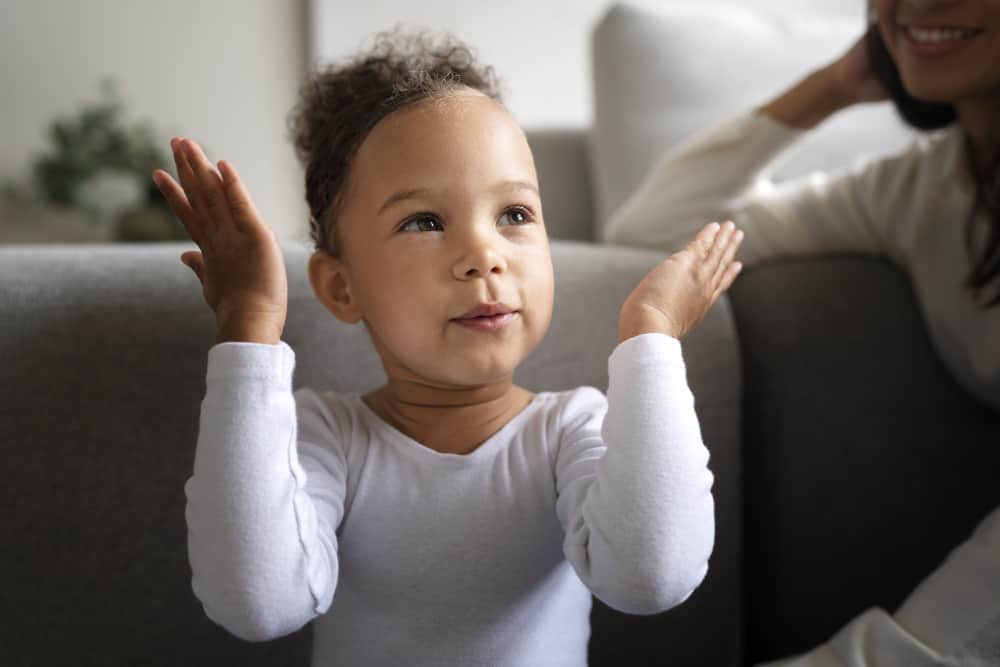
Parent talking and smiling with baby

Image: Designed by Freepik

How to Encourage Your Baby’s First Words Naturally

Babies begin experimenting with communication long before they say their first recognizable word.
Between 6–14 months, they move through coos, babbles, gestures, and eventually, simple words like mama or ball.

Here’s how to support your baby’s early language development in a gentle, natural way.


Talk Throughout Your Day

The best language teacher is you — and talking as you go about daily tasks helps babies hear vocabulary in context.

Try:

  • Narrating what you’re doing
  • Labeling objects
  • Describing sounds (“I hear the water!”)

Respond to Your Baby’s Sounds

Every “ba,” squeal, or giggle is communication. Responding helps your baby learn the back-and-forth rhythm of conversation.

Examples:

  • “Oh, you saw the dog! Yes, dog!”
  • “You said ‘ba!’ Here’s your ball.”

Use Repetition (But Make It Fun)

Babies learn through patterns. Repeat simple words often:

  • milk
  • up
  • more
  • bye-bye

Repetition strengthens memory — especially during routines like meals and bath time.


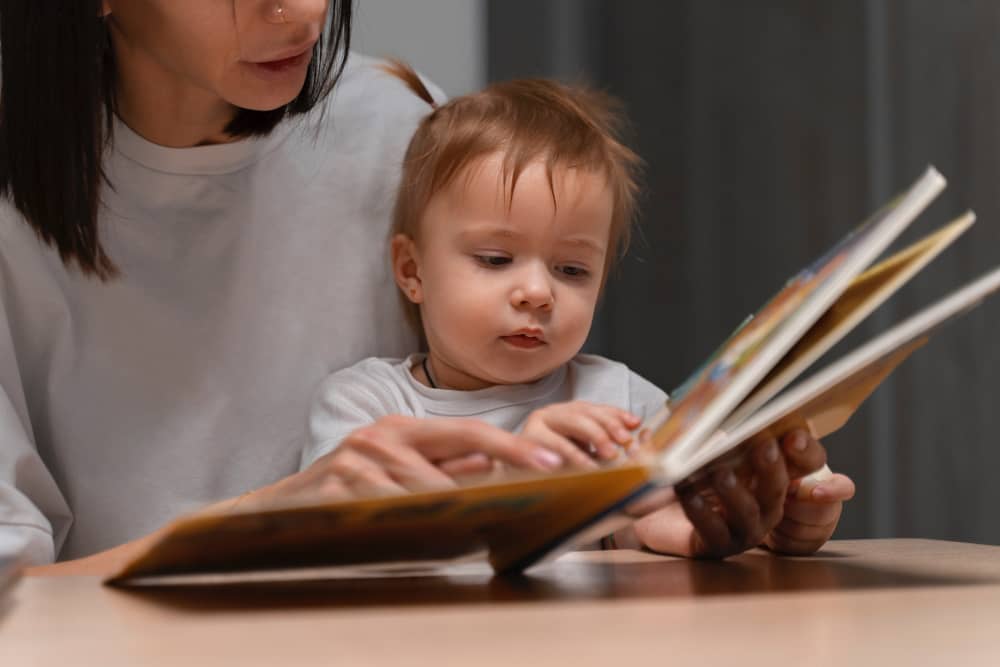
Read Together Every Day

Short board books introduce:

  • New sounds
  • Object labels
  • Rhythm and tone

Even 5 minutes a day boosts language skills significantly.


Encourage Gestures

Before words come gestures, such as:

  • Pointing
  • Waving
  • Reaching

Gestures are strongly linked to earlier first words.


Limit Background Noise

Babies tune in best when the TV, tablet, or loud music isn’t running in the background.


When to Reach Out for Help

Early intervention is recommended if your baby:

  • Isn’t babbling by 10–12 months
  • Isn’t using any gestures by 12 months
  • Doesn’t respond to their name
  • Stops making sounds

With a responsive, language-rich environment, you’ll help your baby build confidence — and their first words will come faster than you think.