How to Handle Sibling Jealousy (Without Picking Sides)
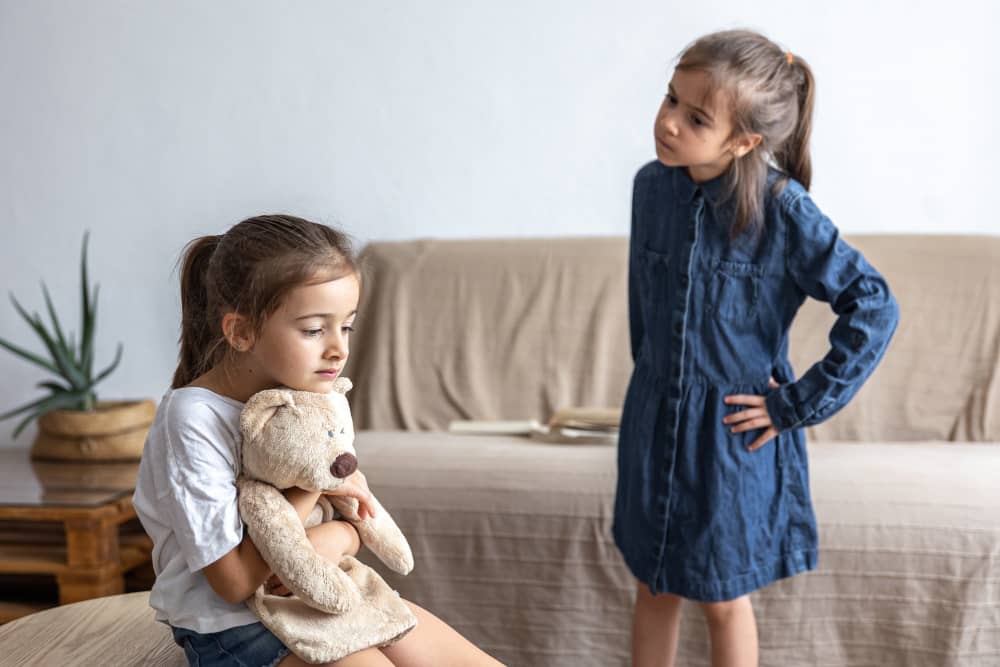
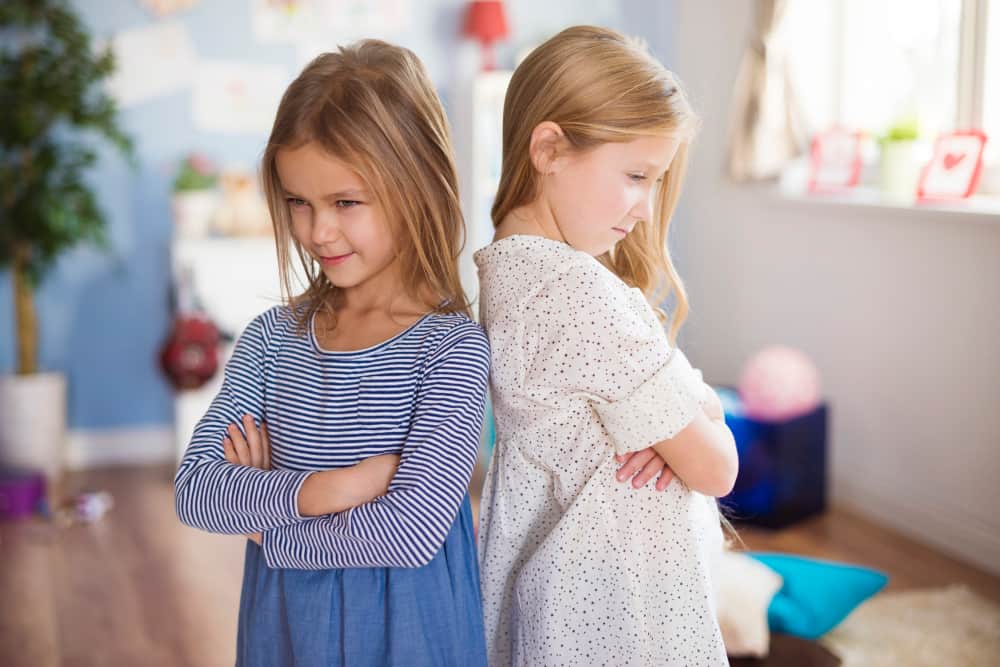
Sibling rivalry is a normal part of family life. Whether it begins after welcoming a new baby or during toddler and preschool years, jealousy often stems from a child’s need for reassurance and attention.
Understanding the root cause can help you respond calmly and effectively.
Common triggers include:
- Perceived unequal attention
- Differences in abilities or age
- Major family transitions
- Competition for approval
Jealousy doesn’t mean your child is “bad.” It usually means they’re seeking security.
Even subtle comparisons like “Why can’t you behave like your sister?” can intensify rivalry.
Instead, focus on individual strengths:
“I love how carefully you build your towers.”
Even 10–15 minutes of focused, one-on-one time daily can reduce attention-seeking behavior.
Let the child choose the activity. No phones, no interruptions.
When arguments happen:
- Stay neutral
- Help them explain their feelings
- Guide them toward compromise
Avoid instantly deciding who’s “right” or “wrong.”
Create shared responsibilities:
- Cleaning up together
- Preparing snacks
- Working on simple projects
Team experiences help build connection instead of competition.
If a child says, “You love the baby more,” respond with reassurance:
“It can feel that way sometimes. I love you both very much.”
Validation reduces resentment.
Seek professional guidance if jealousy becomes:
- Aggressive or unsafe
- Persistent and extreme
- Paired with withdrawal or regression
Most sibling rivalry phases improve with time and consistent parenting.
Sibling jealousy isn’t a parenting failure — it’s a developmental stage. With patience, structure, and reassurance, rivalry can transform into lifelong connection.
Helping children feel secure individually makes it easier for them to thrive together.
Explore more family guidance and child development resources in our Family & Parenting section.