Traveling While Pregnant: What to Know
Traveling during pregnancy is absolutely possible — and for many, it’s a wonderful way to rest, explore, or visit family before the baby arrives. With the right timing and preparation, most pregnant people can travel safely and comfortably.
This guide explains when it’s best to travel, how to stay comfortable on long trips, and the important precautions to take before you head out.
The second trimester (weeks 14–27) is widely considered the easiest and safest time for most pregnant people to travel.
- Nausea often improves
- Energy levels typically increase
- Miscarriage risk is lower compared to early pregnancy
- You're not yet in the physically uncomfortable final stretch
Airlines often restrict flying late in the third trimester, so check policies before booking.
Always check with your healthcare provider before planning long-distance travel, especially if you have complications or a high-risk pregnancy.
Yes — flying is generally safe during a healthy pregnancy. Here’s what you should know:
- Most airlines allow travel up to 36 weeks for domestic flights.
- International flights may have earlier cutoffs.
- For twins or multiples, restrictions often begin around 32 weeks.
- Choose an aisle seat for easy bathroom access and leg stretching.
- Walk every 1–2 hours to reduce swelling and prevent blood clots.
- Wear compression socks on long flights.
- Stay hydrated and bring healthy, familiar snacks.
Airport scanners are considered safe during pregnancy. If you prefer, you can always request a manual pat-down.
Road trips offer flexibility, but long sitting can still cause discomfort.
- Take breaks every 60–90 minutes to walk and stretch.
- Adjust the seat to allow comfortable belly space.
- Move the seat belt:
- Lap belt: under your belly, across the hips
- Shoulder strap: between the breasts, never directly across the abdomen
If you experience dizziness, swelling, or contractions, take an extended break.
Pregnancy changes your circulation, posture, and mobility. These tips help reduce discomfort:
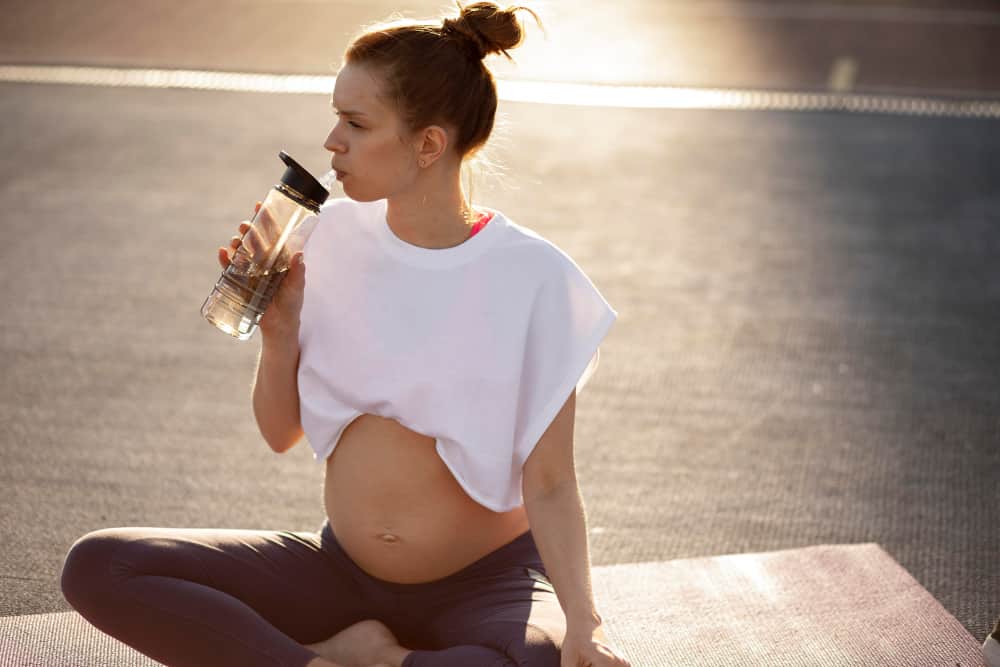
Planes, airports, and cars can lead to dehydration — pack a refillable bottle.
Choose soft, stretchy clothing and supportive shoes. Layers help adjust to fluctuating temperatures.
Bring your own — crackers, nuts, fruit, hydration drinks, ginger chews for nausea.
A small cushion or rolled towel can help reduce lower-back strain.
Calf raises, ankle circles, and gentle stretching help prevent swelling.
Avoid or postpone travel and speak to your provider if you have:
- Preterm labor symptoms
- Placenta previa or bleeding
- Severe anemia
- Preeclampsia
- A high-risk pregnancy
- Recent complications requiring monitoring
If you're in the third trimester, consider how far you are from medical care at your destination.
- Prenatal vitamins
- Water bottle
- Compression socks
- Snacks
- Pregnancy-safe medications approved by your provider
- Medical records or prenatal card
- Insurance info (especially important for international travel)
If traveling abroad, learn where the nearest clinic or hospital is located.
Traveling while pregnant can be smooth, safe, and enjoyable with the right preparation. Whether you're flying across the country or taking a weekend road trip, listening to your body, staying hydrated, and planning ahead will make your journey more comfortable.
If you’re ever unsure, check with your healthcare provider before booking — peace of mind is the best travel companion.
Explore more pregnancy tools: