
Healthy Pregnancy Diet: What to Eat and What to Avoid

Learn which foods support a healthy pregnancy — from iron-rich greens to protein-packed snacks — and what to limit or skip entirely for your baby’s safety.

Published Nov 4, 20252 min read
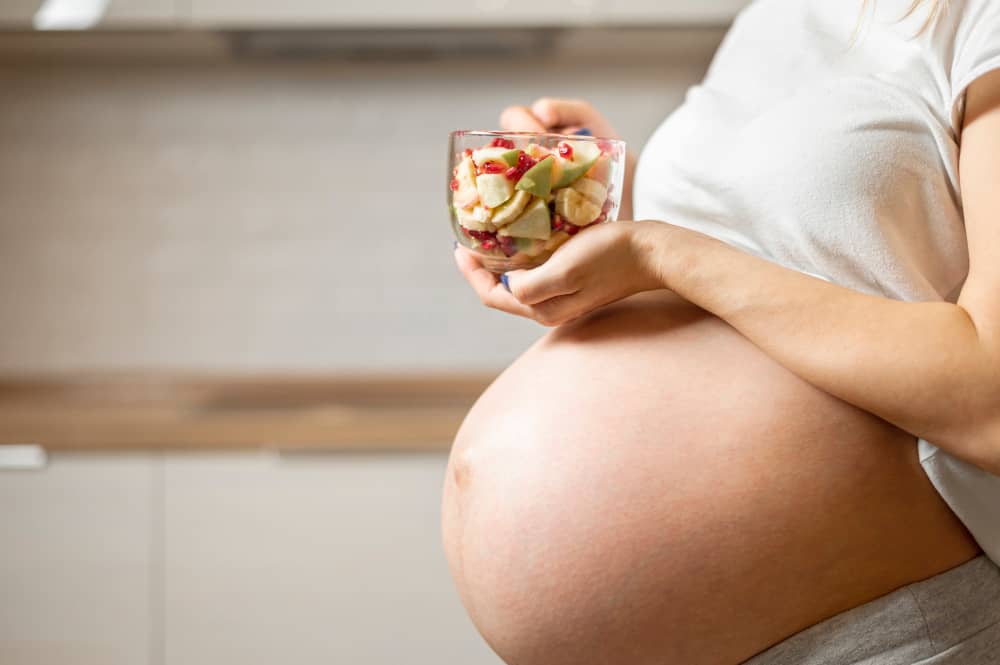
Colorful plate of fruits, vegetables, and grains symbolizing balanced pregnancy nutrition

Image: Designed by Freepik

Healthy Pregnancy Diet: What to Eat and What to Avoid

Pregnancy changes your body’s nutritional needs — not just in calories, but in vitamins, minerals, and hydration. The right balance helps your baby grow strong while keeping your own energy steady.


Key Nutrients for a Healthy Pregnancy

  • Folate (Vitamin B9): Essential for early brain and spinal cord development.
    Found in spinach, lentils, avocados, and fortified cereals.
  • Iron: Supports increased blood volume and prevents anemia.
    Pair lean meats, beans, and leafy greens with citrus for better absorption.
  • Calcium: Strengthens bones and teeth for both you and your baby.
    Found in yogurt, milk, tofu, and fortified plant milks.
  • Omega-3 Fatty Acids: Aid brain and eye development.
    Choose salmon, chia seeds, or walnuts.
  • Protein: Crucial for tissue growth. Aim for a mix of eggs, beans, fish, and poultry.
Tip for parents

A small, frequent meal pattern can help maintain blood sugar and reduce nausea, especially during the first trimester.


Foods to Limit or Avoid

CategoryWhy to LimitSafer Alternatives
Raw fish / sushiRisk of bacteria or parasitesCooked fish or veggie rolls
Unpasteurized cheesesMay contain ListeriaPasteurized varieties only
Deli meatsCan carry ListeriaReheat until steaming
High-mercury fish (shark, swordfish, king mackerel)Mercury affects brain developmentSalmon, sardines, trout
CaffeineExcess may affect fetal growthLimit to ~200 mg/day (1 small cup)

Hydration and Cravings

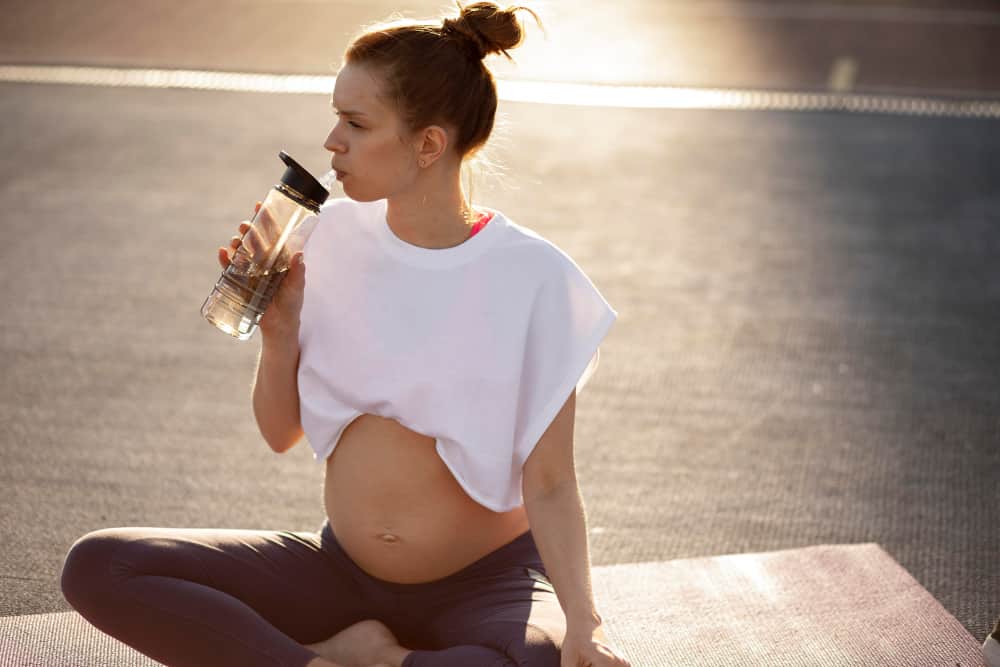
Pregnancy increases your fluid needs. Aim for 8–10 cups of water daily, and try sparkling water or fruit-infused options if plain water feels dull.
Cravings are normal — moderation is key. When in doubt, balance treats with nutrient-rich meals.


Managing Nausea and Food Aversions

  • Eat plain crackers before getting out of bed.
  • Keep snacks like almonds or fruit handy.
  • Avoid strong smells and greasy foods.
  • Stay hydrated with small sips throughout the day.

Supplements and Medical Guidance

Always check supplements with your healthcare provider. Most will recommend:

  • Prenatal vitamin with folic acid and iron
  • Vitamin D for calcium absorption
  • DHA for brain and eye health

Final Thoughts

A healthy pregnancy diet is less about restriction and more about mindful balance. Focus on whole, colorful foods — your baby grows from what nourishes you.


Track your weekly progress with our Pregnancy Weight Calculator and check how your diet supports growth with our Pregnancy Week-by-Week Guide.