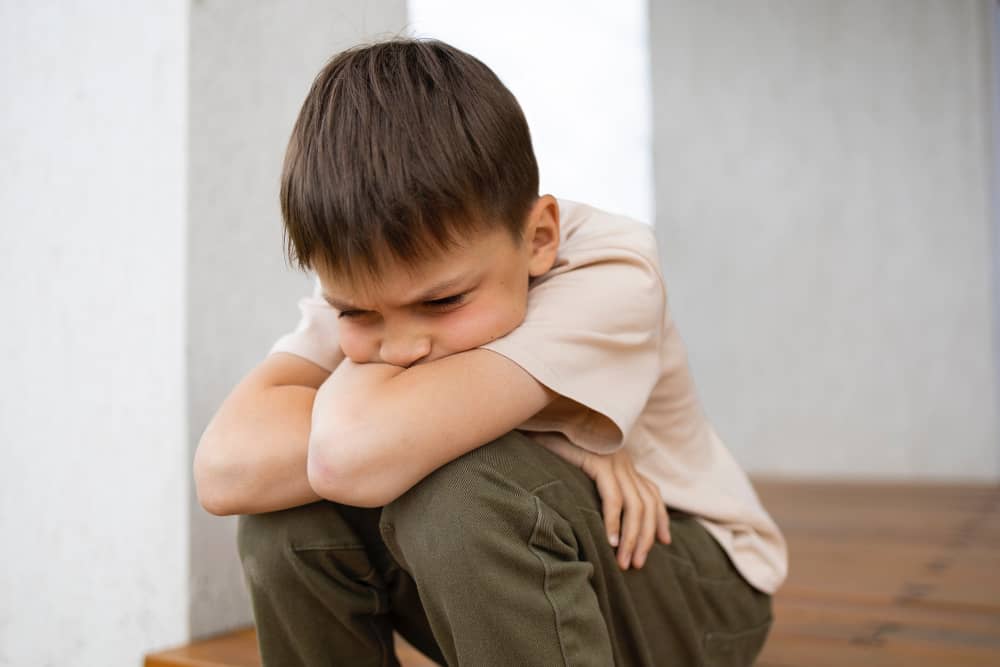
How to Talk to Kids About Big Feelings
Big feelings can be overwhelming for children — and confusing for parents. Emotions like anger, frustration, jealousy, or sadness often show up as tantrums, withdrawal, or defiance because kids don’t yet have the language or skills to explain what’s going on inside.
The good news? Talking about feelings is a skill that can be taught, and your calm guidance plays a powerful role in helping children learn emotional regulation.
“Big feelings” are intense emotions that feel hard to control. For young children, this can include:
- Anger or frustration
- Sadness or disappointment
- Fear or anxiety
- Jealousy or feeling left out
- Excitement that tips into overwhelm
These feelings are normal and developmentally appropriate, especially during toddler and early childhood years.
Children’s brains are still developing — especially the parts responsible for impulse control and emotional regulation. When feelings hit hard, words often disappear.
Instead of saying “I’m overwhelmed,” a child might:
- Cry or scream
- Hit or throw objects
- Shut down or refuse to talk
Understanding this helps parents respond with empathy instead of frustration.
One of the most helpful things you can do is label the emotion for your child.
Examples:
- “It looks like you’re feeling really frustrated.”
- “I see that you’re sad because playtime ended.”
- “That was scary, and it made you feel worried.”
Naming emotions builds emotional vocabulary and helps kids feel understood.
Resist the urge to immediately solve the problem. Validation comes first.
Try:
- “It’s okay to feel mad.”
- “That was really disappointing.”
- “I would feel upset too.”
Validation does not mean agreeing with the behavior — it means acknowledging the feeling behind it.
Young kids don’t need long explanations. Short, clear sentences work best:
- “Big feelings can feel loud inside.”
- “Your body is telling you something important.”
- “We can figure this out together.”
As children grow, you can gradually introduce more complex emotional language.
The best time to teach coping strategies is not during a meltdown.
Practice tools like:
- Taking slow belly breaths
- Counting to five
- Squeezing a stress ball
- Taking a short break in a quiet space
When emotions rise, gently remind them of the tools you’ve practiced.
Children learn more from what you do than what you say. When possible, model emotional awareness:
- “I’m feeling frustrated, so I’m taking a deep breath.”
- “I had a hard day, and talking about it helps me feel better.”
This shows kids that feelings are normal and manageable.
If your child frequently struggles with intense emotions that interfere with daily life, sleep, or relationships, it may be helpful to talk with a pediatrician or child development specialist.
Early support can make a big difference.
Helping kids talk about big feelings doesn’t mean preventing emotions — it means teaching them how to understand and handle them safely. With patience, empathy, and consistency, you’re giving your child lifelong tools for emotional health.
Looking for more parenting guidance? Explore our Family & Parenting Articles for practical tips on child development, behavior, and everyday challenges.