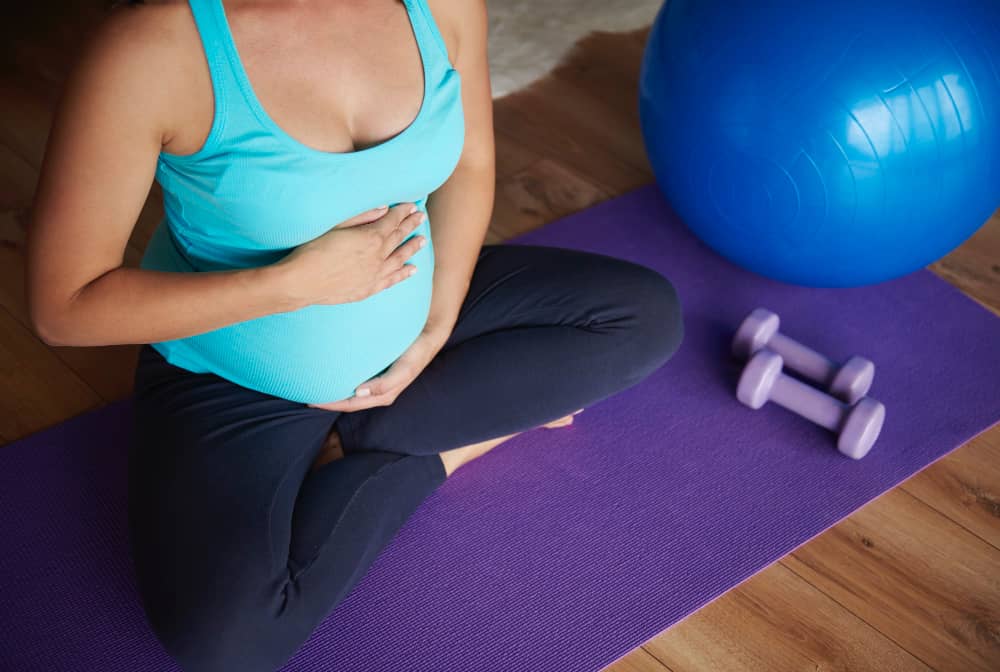
Safe Exercise Routines by Trimester
Exercise during pregnancy can boost energy, improve sleep, ease aches, and support overall well-being. In most healthy pregnancies, staying active is not only safe — it’s encouraged.
That said, your body changes significantly over nine months. What feels good in the first trimester may need adjustments later on. Here’s how to exercise safely at every stage.
During the first trimester, fatigue and nausea can make workouts feel harder than usual. The goal is consistency, not intensity.
- Walking
- Prenatal yoga
- Light strength training
- Swimming
- Stationary cycling
- Keep intensity moderate.
- Stay hydrated.
- Avoid overheating.
- Listen to your energy levels.
If you feel dizzy, overheated, or short of breath beyond normal exertion, slow down and rest.
Many people feel a burst of energy during the second trimester. As your belly grows, your center of gravity shifts — balance becomes more important.
- Brisk walking
- Prenatal Pilates
- Modified strength training
- Swimming or water aerobics
- Low-impact cardio
- Avoid exercises flat on your back for extended periods.
- Focus on posture and core stability.
- Use support when needed (wall, chair, or railing).
Strengthening your hips, glutes, and back can help reduce common pregnancy aches.
In the final trimester, workouts should prioritize comfort and circulation rather than intensity.
- Slow walks
- Prenatal stretching
- Gentle yoga
- Pelvic floor exercises
- Light resistance work
- Avoid sudden movements.
- Reduce range of motion if uncomfortable.
- Rest frequently.
Shorter sessions (15–20 minutes) may feel better than longer workouts.
Avoid:
- Contact sports
- High fall-risk activities (skiing, horseback riding)
- Scuba diving
- Hot yoga or extreme heat workouts
- Heavy lifting beyond comfort
Always check with your healthcare provider before beginning or continuing a workout routine.
Contact your provider if you experience:
- Vaginal bleeding
- Severe dizziness
- Chest pain
- Regular contractions
- Fluid leakage
Movement is one of the best gifts you can give yourself during pregnancy. Adjusting your routine by trimester helps keep you safe while supporting strength, mood, and circulation.
When in doubt, aim for moderate, steady activity — and listen to your body.
For more pregnancy wellness tips, explore our guides on pregnancy hydration and safe sleep positions.