How to Calm Separation Anxiety in Babies

Separation anxiety is a normal part of your baby’s emotional development. Learn why it happens, when it peaks, and gentle strategies to help your baby feel safe and secure.

Published Oct 8, 20252 min read
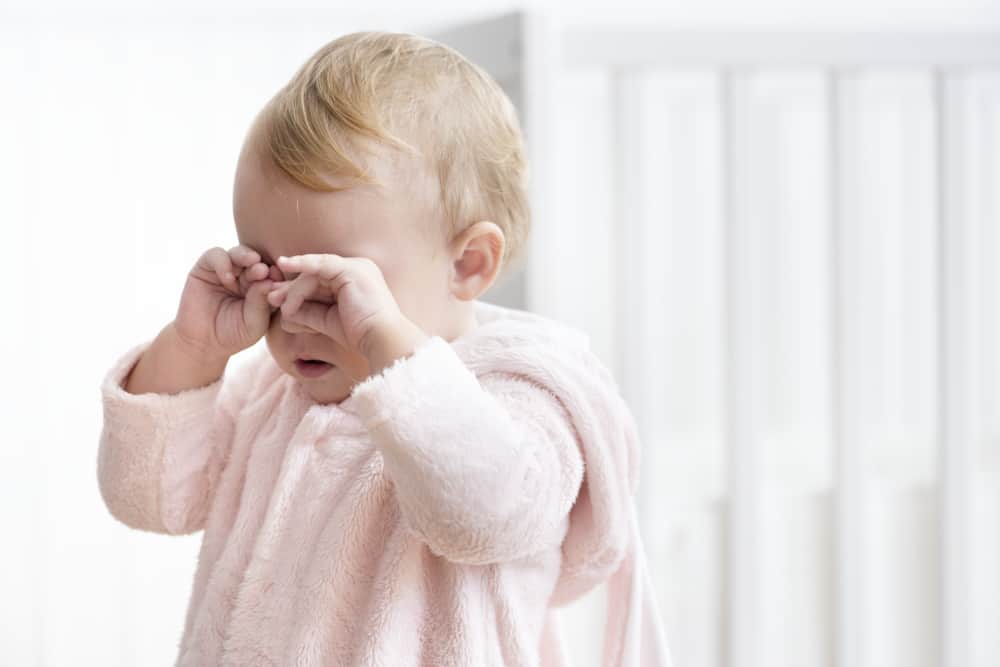
Parent comforting baby who is crying as they prepare to leave

Image: Designed by Freepik

How to Calm Separation Anxiety in Babies

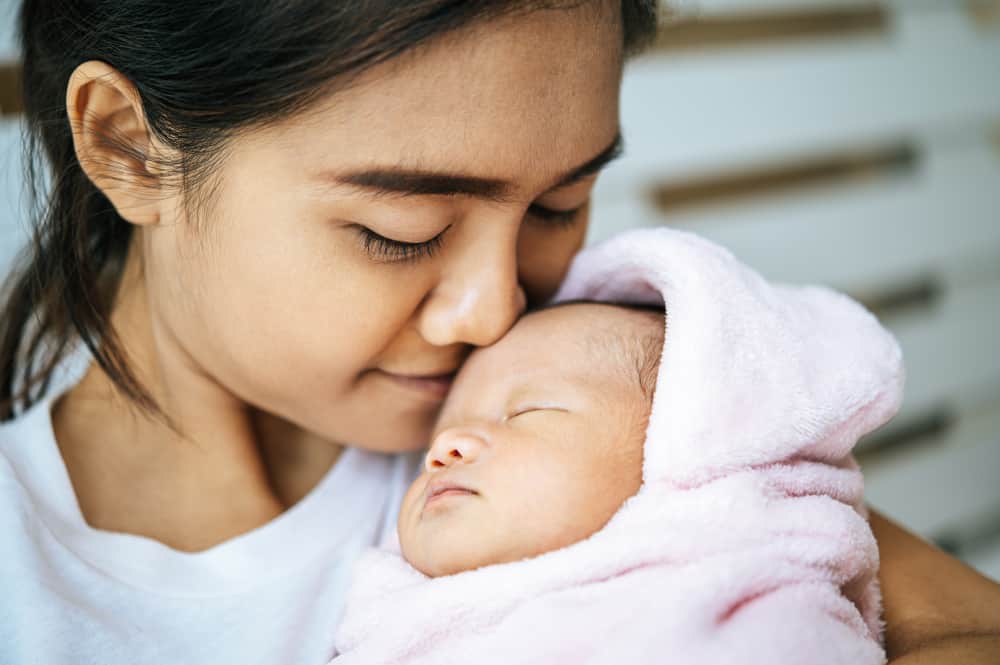
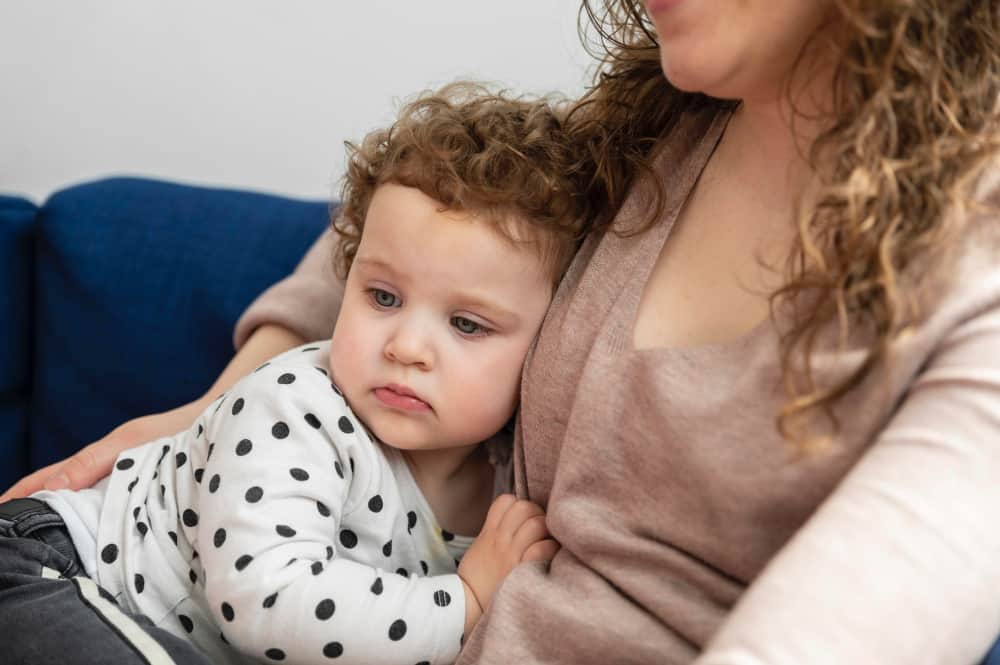
If your baby cries when you leave the room — even for a moment — you’ve likely entered the separation anxiety stage. While challenging, it’s a healthy sign that your little one is forming strong attachments and learning that you are their safe base.

This phase usually begins around 6 to 9 months and can reappear during toddlerhood.


Why Separation Anxiety Happens

As your baby’s memory and awareness grow, they start to understand that you exist even when you’re out of sight — a concept called object permanence.

They love you so much, they just don’t want you to go!

Age RangeTypical BehaviorWhat Helps
6–9 monthsClings when you leaveCalm goodbyes, short separations
9–14 monthsCries during drop-offsConsistent routines, familiar caregivers
15–24 monthsResists bedtime or daycareReassuring words, comfort items, predictable schedule

Gentle Ways to Ease Separation Anxiety

  1. Practice short separations — Step into another room briefly, then return with a smile.
  2. Create a goodbye ritual — A quick hug or wave helps babies anticipate your return.
  3. Stay calm and confident — Babies read your emotions; your reassurance teaches safety.
  4. Use transitional objects — A favorite blanket or soft toy offers comfort.
  5. Keep promises — Always return when you say you will — it builds trust.
Pro tip

Say goodbye every time you leave. Sneaking out may seem easier, but it can increase anxiety in the long run.


Helping at Bedtime

Separation fears often peak at night. Try these:

  • Keep a gentle, predictable bedtime routine
  • Offer extra cuddles before lights out
  • Leave a dim nightlight or soothing white noise

When to Seek Guidance

Separation anxiety is normal, but talk to your pediatrician if your child:

  • Cries for hours or can’t be soothed
  • Shows excessive fear around all caregivers
  • Has persistent anxiety beyond toddler years

Final Thoughts

Separation anxiety can be hard on both babies and parents, but it’s a beautiful sign of growing emotional connection. With consistency, warmth, and patience, your baby will soon learn that you always come back.

Read next: When Do Babies Start Talking? or explore our Parenting Guides for more emotional development insights.